
Afternoon Tea and Gentle Steps for Every Body

Today we dive into hosting an accessible afternoon tea dance for older adults, blending thoughtful logistics, inclusive music, and comforting flavors. Expect practical checklists, heartfelt anecdotes, and proven tips that make movement safe, conversation easy, and hospitality genuinely welcoming for every guest and caregiver. Stay to the end to share your experience, download planning notes, and join our community of hosts who care about dignity, joy, and belonging.

Plan with Accessibility from the First Invitation
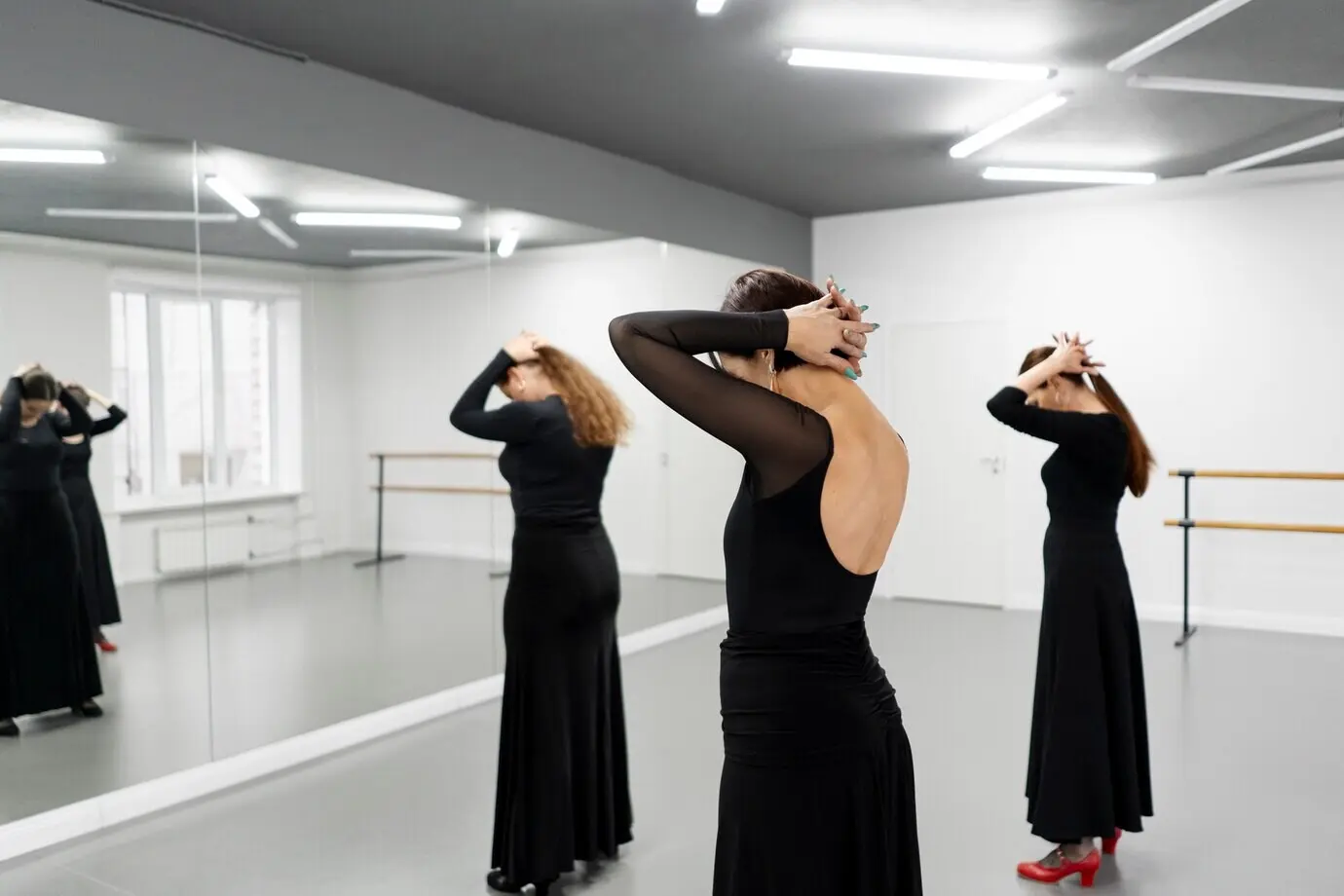
Thoughtful planning begins well before the kettle sings. Consider entryways, seating heights, restroom access, sound levels, lighting, and the emotional comfort of arriving guests. Build a timeline with spacious transitions, companion seating, and clear signage. Invite input from older adults and caregivers, then adapt generously with gratitude, not apology.

Designing a Friendly Menu

Pair classic cucumber sandwiches with softer whole-grain alternatives, include protein-rich bites like egg salad, and present fruit platters with easy-to-grip pieces. Offer lactose-free milk, oat milk, and gluten-friendly scones. Keep salt modest, flavors bright, and aromas inviting. Display ingredients clearly to support informed choices and confident enjoyment.

Tea Service that Slows Time

Set teapots with easy-grip handles and lightweight cups on stable trays. Provide decaf black, soothing chamomile, and gentle green options, plus caffeine-free rooibos for depth. Encourage unhurried refills, warm conversation, and mindfulness. Temperature matters, so pour slightly cooler for safety, preserving comfort without sacrificing flavor or tradition.

Allergy and Safety Labeling

Use large, high-contrast labels that list common allergens clearly, including nuts, dairy, gluten, and eggs. Color-code cards for quick recognition. Keep ingredient lists handy, and train volunteers to answer questions calmly. Separate utensils for different items, reducing cross-contact while maintaining a welcoming, generous presentation that never stigmatizes special requests.

Music and Movement for Every Body

The right music welcomes everyone onto the floor, whether standing, seated, or using mobility aids. Favor familiar tunes and comfortable tempos that invite gentle swaying, clapping, and smiling eye contact. Offer chair-dance options, guided steps, and friendly leaders who model joy, consent, and attentive pacing throughout the afternoon.

Volunteer Training that Centers Dignity

Host a short orientation covering mobility etiquette, active listening, consent for touch, and basic first aid. Practice guiding a partner using clear language. Encourage volunteers to introduce themselves, kneel to eye level if appropriate, and accept “no” gracefully. Celebrate patience, steady presence, and the magic of unhurried attention.

Mobility, Health, and Rest

Offer lightweight canes or extra walkers near the entrance, and place stable chairs along walls. Keep water nearby and encourage breaks between songs. Coordinate with a nurse or trained first aider. Provide a quiet room for decompression, respecting privacy while gently checking comfort and readiness to rejoin festivities.

Sensory-Friendly Atmosphere

Use warm, indirect lighting and reduce glare. Keep background chatter manageable by spacing tables thoughtfully. Offer soft earplugs and extra reading glasses. Avoid strong floral scents, favoring fresh air and subtle aromas from tea. Calm visual décor, clear signage, and predictable rhythms help everyone feel grounded and welcome.

Conversation, Memory, and Intergenerational Joy

Dancing is only part of the sparkle. Build spaces where stories bloom: tables with conversation cards, memory walls with scanned photos, and corners for gentle sing-alongs. Invite younger volunteers to learn steps from elders, enriching both sides with skills, humor, and a living archive of community wisdom.

Outreach, Registration, and Lasting Engagement

Bring people together by communicating clearly and widely. Partner with senior centers, faith groups, libraries, and medical practices. Use large-print flyers, phone trees, and straightforward online forms. Collect accessibility details respectfully, arrange transportation support, and follow up with photos, gratitude notes, and invitations to future gatherings and conversations.
Zovikuzotoxina
Privacy Overview

This website uses cookies so that we can provide you with the best user experience possible. Cookie information is stored in your browser and performs functions such as recognising you when you return to our website and helping our team to understand which sections of the website you find most interesting and useful.